
Establishing a Business Intelligence Function from the Ground Up
Transforming data chaos into strategic insight with a modern BI ecosystem.
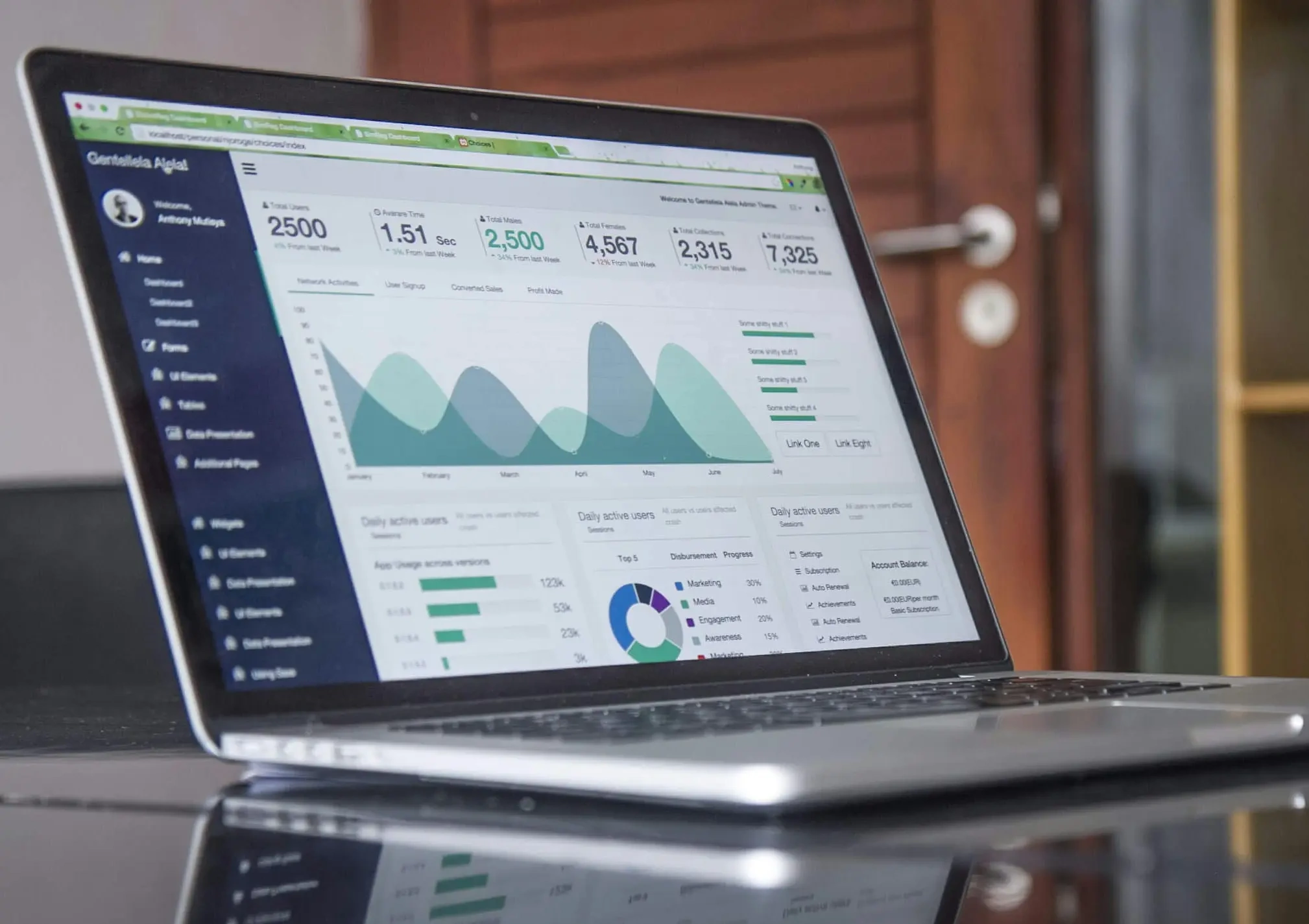
From spreadsheets to strategy
The organisation had no BI infrastructure, with reporting limited to manual Excel processes. I was hired to build the company’s Business Intelligence function from scratch — defining the strategy, architecture, and systems that would evolve data into a strategic asset.
What success needed to look like
- Establish a sustainable BI strategy that aligned to executive priorities.
- Design the data architecture, governance, and tooling required for scale.
- Automate manual reporting and create reusable, insight-driven dashboards.
- Upskill teams and embed a culture of data-informed decision making.
Building blocks of the BI transformation
- 1. BI Strategy & Framework
- Designed and executed the organisation’s first Business Intelligence roadmap, aligning data initiatives with business priorities.
- Established governance standards, data policies, and access frameworks to ensure security, consistency, and scalability.
- 2. Power BI Ecosystem Implementation
- Built the complete Power BI ecosystem from the ground up, replacing static spreadsheets with dynamic, automated reporting.
- Delivered over 25 multi-page interactive reports covering key areas such as:
- Recruitment and operations
- Sales and financial performance
- HR analytics
- Client and project management
- Standardised KPI tracking and created a unified source of truth for business performance monitoring.
- 3. Data Modelling & Quality Framework
- Designed and optimised data models within Azure and Power BI, leveraging advanced DAX, SQL, and ETL transformations.
- Implemented data validation and quality assurance frameworks, significantly improving data integrity and reporting accuracy.
- 4. HR Analytics Solution
- Developed a comprehensive HR analytics platform enabling leadership to:
- Identify workforce trends and performance drivers
- Forecast hiring and retention needs
- Support workforce planning with predictive insights
- Applied advanced modelling and data mining techniques combined with bespoke visual design for a highly interactive user experience.
- Developed a comprehensive HR analytics platform enabling leadership to:
- 5. Enterprise Data Model Initiative
- Led a cross-functional initiative with data engineering and database teams to architect an enterprise-grade data model within the Microsoft Fabric ecosystem on Azure.
- Integrated data from multiple operational systems to support predictive analytics, advanced insights, and enterprise-wide decision intelligence.
Architecture, automation, and analytics in view
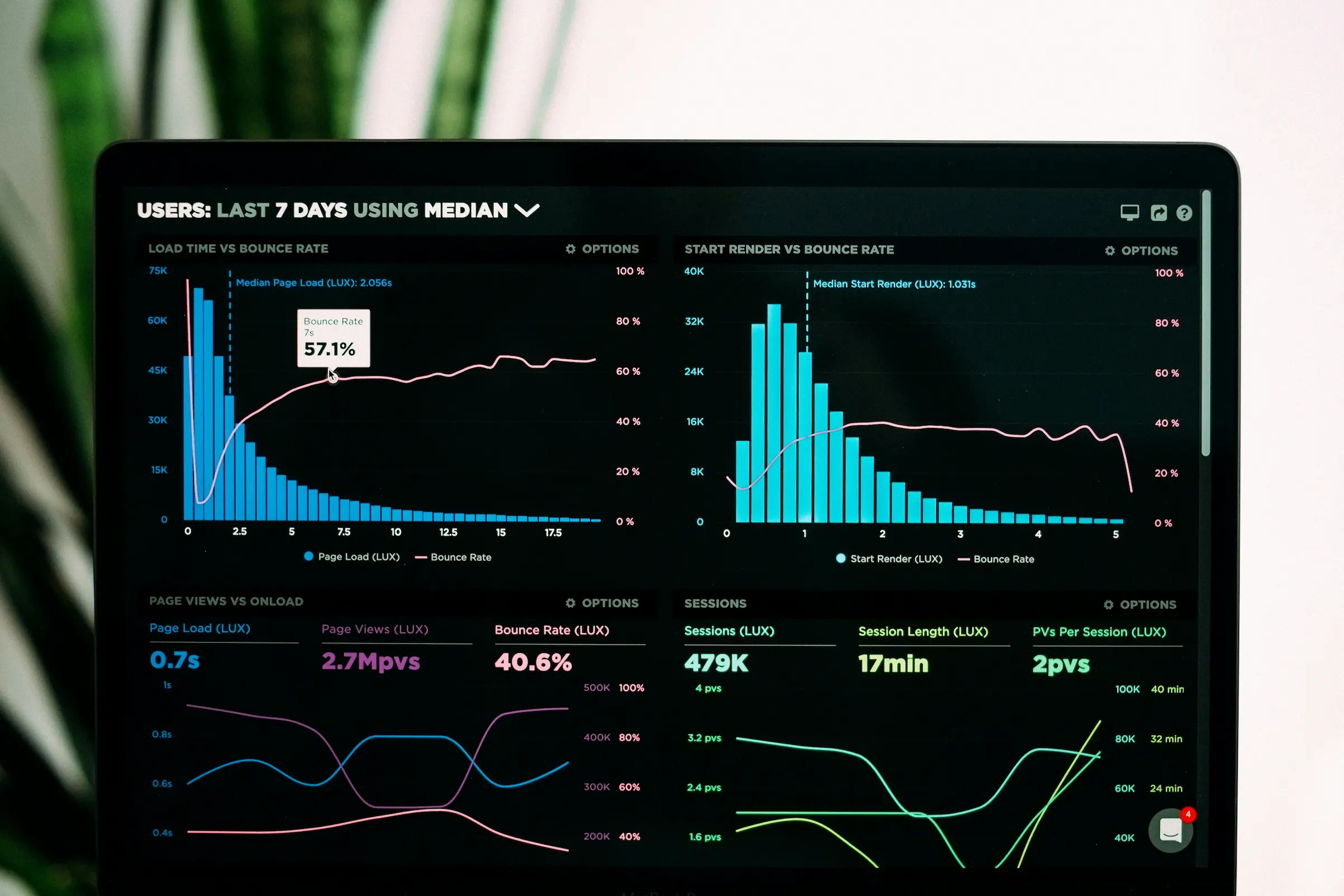
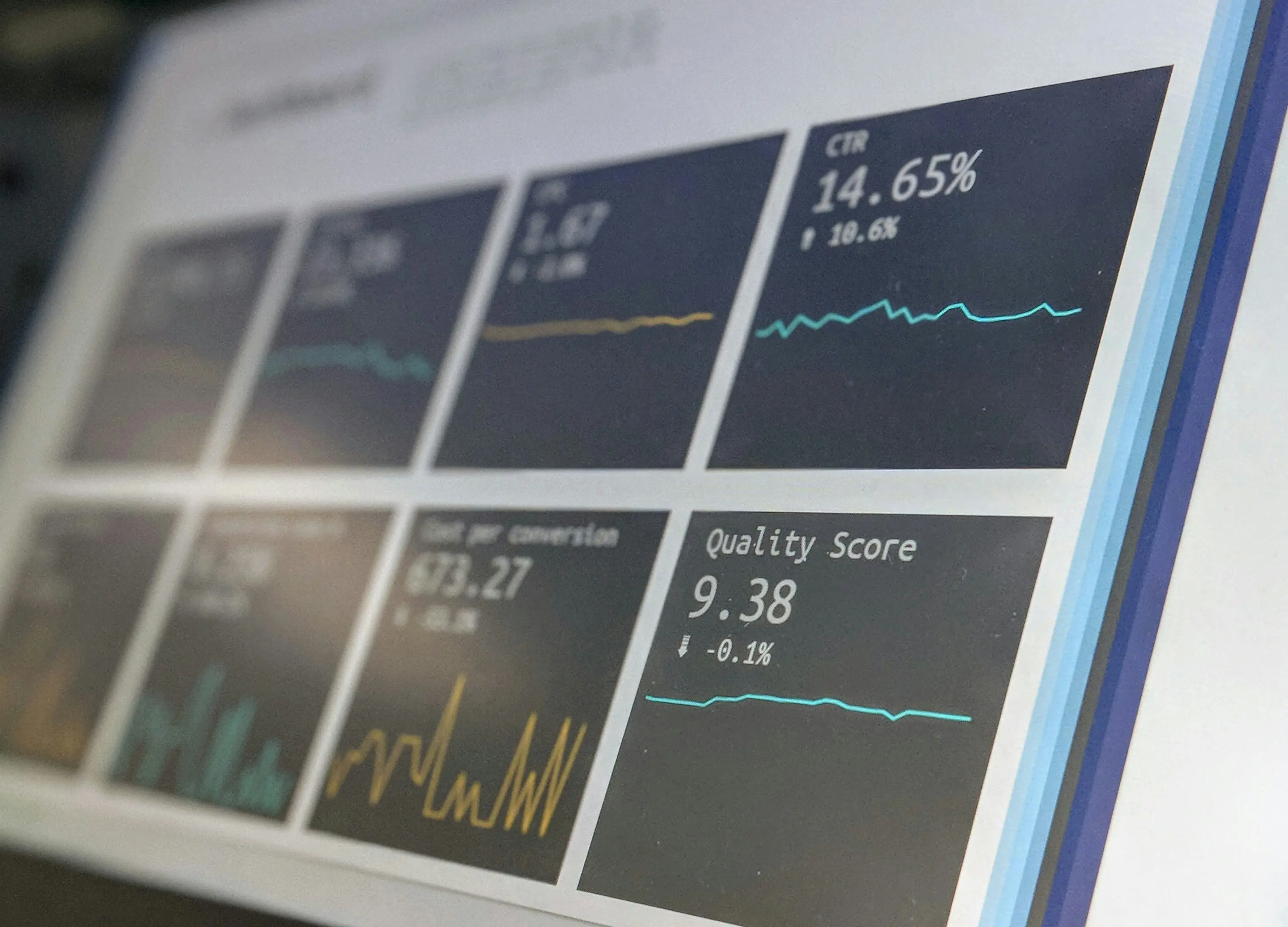
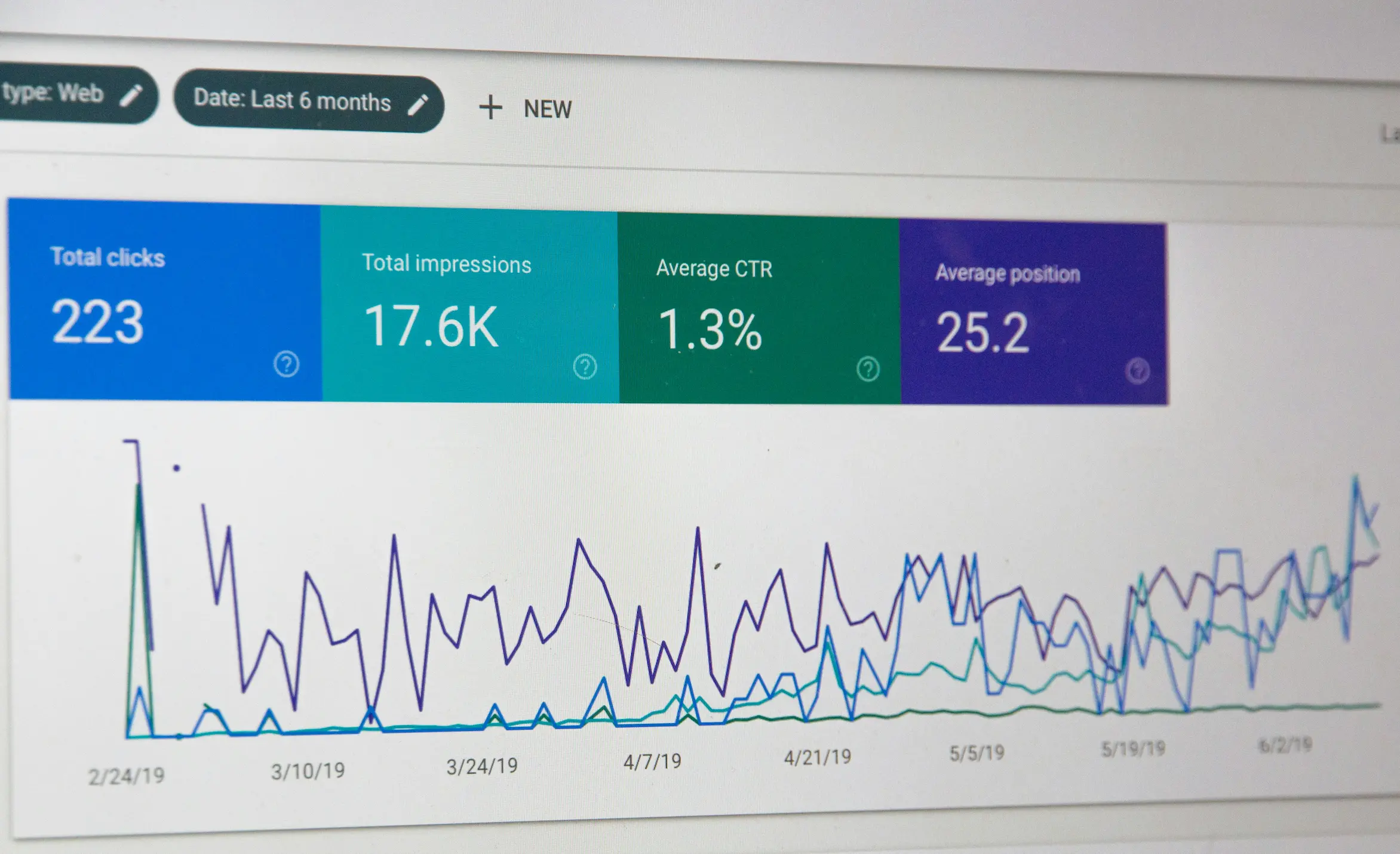
Key artefacts that brought the BI function to life — from roadmap and architecture blueprints through to executive dashboard delivery.
Turning data into a strategic advantage
Manual reports automated and governed through Power BI pipelines.
Executive-ready dashboards spanning finance, HR, and operations.
Team members trained in self-service analytics and data stewardship.
Enterprise data models unifying the organisation’s core data assets.
A BI ecosystem ready for growth
Established a complete Business Intelligence ecosystem from the ground up — delivering the strategy, infrastructure, and culture needed to turn data into a strategic advantage.